
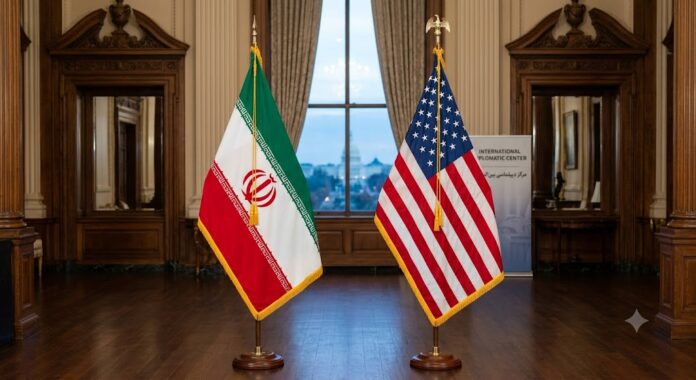
In ongoing discussions concerning a potential agreement between Iran and the United States, a senior Iranian official has issued a warning to regional countries about the dangers of depending on U.S. support. Ali Akbar Velayati, a key advisor to Iran’s Supreme Leader, emphasized the critical role of Iran in maintaining stability in the Gulf, particularly in managing the strategic Strait of Hormuz. He accused Western nations of fostering instability in the region, underscoring Iran’s position on the matter.
These remarks follow recent meetings between U.S. officials and their Gulf allies, where the emphasis was placed on ensuring free navigation through the Strait of Hormuz. The U.S. has cautioned that any attempts to block or limit movement in these vital waters could lead to significant confrontations. Despite these warnings, Iran has firmly maintained its stance, asserting its pivotal role in regulating the strait and dismissing calls for unrestricted passage that overlook its status as a coastal nation.
Tensions in the region have been on the rise amid reports of disputes involving foreign vessels near the Strait of Hormuz. This area is indispensable for global energy supplies, with a substantial portion of the world’s oil and gas shipments traversing its waters. As the situation unfolds, the strategic waterway remains a focal point of international concern, drawing attention to the fragile dynamics at play in the region.
Despite the heightened political tensions, oil markets have reacted with a decline in prices. This drop reflects market expectations that potential disruptions in supply may be limited, illustrating the complex interplay between geopolitical events and economic forecasts. The continued stability of oil prices serves as a barometer for gauging the potential impact of escalating tensions on global energy markets.