
Iran launched a wave of retaliatory strikes on energy infrastructure across the Middle East after Israeli forces hit the South Pars gas field — Tehran’s most vital energy asset and the centerpiece of its export economy. The response was swift and significant, targeting energy facilities in multiple countries and driving global fuel prices sharply higher. The episode marked one of the most significant escalations in the ongoing conflict and drew alarm from governments throughout the region.
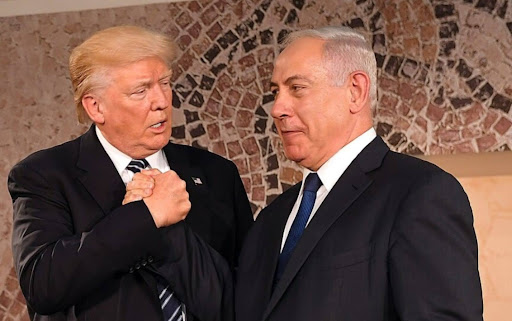
The Israeli strike came despite what US President Donald Trump described as a direct personal warning to Prime Minister Benjamin Netanyahu against the move. “I told him, ‘Don’t do that,'” Trump said publicly during a White House meeting. The transparency was unusual and pointed, signaling that Washington had not approved the attack — even as reports later emerged suggesting the US had prior knowledge of Israeli plans.
Iran’s retaliatory strikes added a new dimension to the conflict’s economic fallout. Energy markets, already volatile due to the broader war, reacted sharply to the disruption of regional infrastructure. Gulf states, whose own energy interests are closely tied to regional stability, pressed Washington to take firmer control over Israeli military decision-making. The pressure added a diplomatic dimension to an already complex military situation.
Netanyahu confirmed that Israel had acted alone and agreed not to continue attacking the gas field, in deference to Trump’s expressed wishes. He described the overall alliance as strong and Trump as the leader of the coalition. His language was conciliatory, but the fact that the strike had already taken place — and that Iran had already retaliated — meant the damage was done regardless of any subsequent pledges.
The episode underscored a structural tension in the alliance: Israel’s willingness to escalate beyond what Washington considers wise, and Washington’s limited ability to prevent that escalation in real time. Director of National Intelligence Tulsi Gabbard confirmed to Congress that the two governments’ objectives in the conflict are not identical. Trump has stepped back from regime-change rhetoric. Netanyahu has not. The war continues — on two slightly different tracks.
